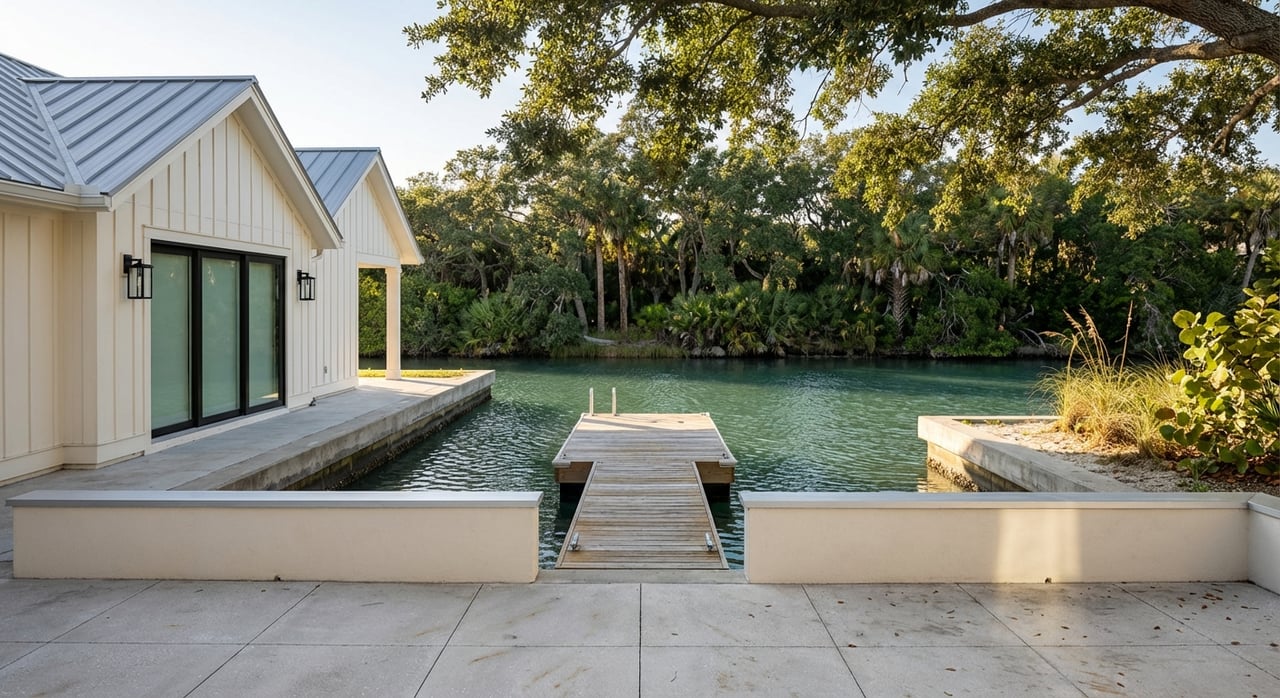
Picture yourself stepping onto a back deck where the water glows at sunset and your kayak is only a few steps away. If you are dreaming about waterfront life in Gulf Breeze, the options can feel exciting and a bit complex. By understanding how sound-front, bay-front, canal-front, and nearby Gulf access differ, you can choose the shoreline that fits your days and your budget. This guide breaks down the lifestyles, costs, rules, and a clear checklist to help you buy with confidence. Let’s dive in.
Gulf Breeze waterfront at a glance
Gulf Breeze sits on the Fairpoint peninsula in Santa Rosa County, surrounded by Santa Rosa Sound to the south and Pensacola Bay to the north. The city notes roughly 18 miles of shoreline with three protected bayous and easy public access points, plus adjacent portions of Gulf Islands National Seashore in the Naval Live Oaks area. You can confirm local access points on the city’s Water Access page.
Nearby waters shape your choices. Santa Rosa Sound is a protected, mostly shallow lagoon along the Intracoastal Waterway. Pensacola Bay is larger and deeper in many places with direct connection to the Gulf through Pensacola Pass. Across the bridge, Pensacola Beach and the National Seashore offer classic white-sand Gulf shoreline. Public trackers have shown Gulf Breeze median sale prices in the mid six-figures in recent snapshots, but prices move with the market, so plan to review current data when you are ready to tour.
Pick your waterfront lifestyle
Sound-front on Santa Rosa Sound
Santa Rosa Sound is a calm, lagoon-style waterway with seagrass flats and inshore habitat, which supports laid-back boating and fishing. Expect quiet shorelines, sunrise or sunset vistas, and easy days on kayaks, paddleboards, and smaller bay or flats boats. Sound-front homes often include private docks or nearby neighborhood launches, and summer weekends can bring more recreational boat traffic. The water here is shallower in many stretches, so deep-draft boats may be limited. Learn more about the setting in this overview of the Santa Rosa Sound.
Bay-front on Pensacola Bay
Bay-front properties face the broader estuary with larger channels and, in many areas, deeper water. If you keep a bigger center-console or want quicker runs toward Pensacola Pass and the Gulf, bay-front can be a smart fit. You trade for more exposure to wind, tide, and surge during strong storms, and you may see more commercial or military vessel traffic in some channels. For background on how larger estuaries function and why exposure differs, review this estuary systems overview.
Canal-front and protected docks
Several neighborhoods feature canals or natural coves that provide protected dockage. Daily life feels convenient if you love keeping a boat tied up at home. Canals tend to be quieter than open water, but depth and tidal circulation can vary by neighborhood. Before you buy, plan to confirm typical water depth, any dredging history, and turning room for your boat.
Gulf-front beach access nearby
While most Gulf Breeze waterfront faces the sound or bay, you are minutes from Pensacola Beach on Santa Rosa Island for open-Gulf swimming and surf days. The Naval Live Oaks section of Gulf Islands National Seashore offers public sound-side access and protected shoreline nearby. Gulf-front living on the barrier island brings bigger waves and more wind exposure, along with stricter coastal setbacks and dune protections. If you value classic beach days and long views of the Gulf, you will likely split time between a primary home in Gulf Breeze and frequent trips to the island.
What Gulf Breeze waterfront homes look like
You will see a mix of elevated or stilted coastal homes, renovated mid-century cottages, and custom builds along sound and bay shorelines. Elevated living spaces above parking or storage are common where flood rules apply. Condos and low-rise developments appear in some sound-front areas and near main roads. Modern coastal design often emphasizes wide porches, metal roofs, and large windows to draw in the light and views.
Key rules that shape cost and comfort
Flood zones and elevation
If a property sits in a FEMA Special Flood Hazard Area, a lender typically requires flood insurance with a federally regulated mortgage. You can check the exact zone for any address using FEMA’s Flood Map Service Center. Newer or substantially improved waterfront homes are often elevated to or above the Base Flood Elevation with additional freeboard, while older homes may predate today’s standards. FEMA’s Risk Rating 2.0 changed how premiums are set, so always request current flood quotes early in your process.
Docks, seawalls, and permits
Building or modifying docks, piers, bulkheads, or shoreline stabilization usually requires state and federal approvals. The U.S. Army Corps of Engineers outlines the federal process in its Regulatory Program and permits overview. As a buyer, ask for copy sets of dock and seawall permits, construction dates, and any recent inspection or engineering reports. Plan for salt-air wear on mechanicals and boatlifts, and understand that canal communities sometimes share dredging or maintenance obligations.
Utilities and water-quality context
Gulf Breeze has municipal utilities, and the city has pursued septic-to-sewer conversions in certain areas over time. Sewer versus septic can affect renovation plans, timing, and costs, so it is smart to verify utility status and any scheduled connections for a specific address with the City of Gulf Breeze. Regional partners also support water-quality monitoring and planning efforts, which help protect the very shoreline that draws buyers to Gulf Breeze.
Insurance and financing basics
Coastal homes face both flood and wind exposure. In flood zones, NFIP policies or private-market flood insurance may be available, and costs vary by elevation, distance to water, and other risk factors. Wind or hurricane coverage often carries named-storm deductibles, which can influence carrying costs. Get quotes for flood and wind coverage early, and share them with your lender to confirm down payment and escrow expectations.
Quick daily-life snapshots
- Sound-front: Calm waters for paddleboarding, morning kayaking, and inshore fishing right off your dock. Watch for seagrass flats and shallow channels that can limit deep-draft boats.
- Bay-front: Broad views and deeper water in many areas for larger boats and faster Gulf runs, with more tidal movement and slightly higher storm exposure.
- Canal-front: Private, protected dockage steps from your back door. Depth and turning space vary, so confirm navigation for your boat type.
- Beach access: Classic surf and white sand on nearby Pensacola Beach, with more wind and wave exposure and coastal protection rules that shape building and maintenance.
A practical buyer checklist
- Verify the exact FEMA flood zone for the address and request any current Elevation Certificate. Use FEMA’s Flood Map Service Center.
- Ask for copies of dock and seawall permits, as-built drawings, and any recent inspections or engineering reports. See the USACE permitting overview.
- Confirm utility status with the city: sewer versus septic, any required connections, and potential assessments. Start with the City of Gulf Breeze.
- Request current quotes for flood and wind insurance and share them with your lender for realistic monthly cost planning.
- Map your boating logistics: nearest public ramps, ICW markers, fixed-bridge clearances, and typical travel times to Pensacola Pass. The FWC posts regional access lists under where to fish and launch.
- Explore slip alternatives if needed. A local example is Santa Rosa Yacht & Boat Club, which can complement or replace at-home dockage.
- Review neighborhood rules and city ordinances for docks, boat storage, and any short-term rental restrictions. Your agent can help you confirm HOA documents and municipal guidelines.
How to choose the right shoreline
Start with how you spend your weekends. If you picture quiet paddles and fishing in sheltered water, sound-front likely fits. If you want to run a larger boat toward the Gulf, bay-front provides deeper channels in many areas. If you value at-home convenience and wind protection, a canal lot might be perfect. If surf days and beach views define your lifestyle, plan for frequent trips to Pensacola Beach or consider a barrier-island property.
Next, line up the numbers. Confirm flood zone and insurance quotes early, price out any dock or seawall repairs, and factor in utility status and likely maintenance. These costs matter more to your monthly budget than most cosmetic items.
Finally, walk the waterfront at different times of day. Look and listen for boat traffic, wind patterns, and sun exposure. Bring your questions. A clear plan today helps you enjoy your shoreline tomorrow.
Ready to explore Gulf Breeze waterfront homes with a local who lives the lifestyle and understands the details that drive value? Reach out to Megan Bithos for on-the-water guidance, virtual tours for remote buyers, and a step-by-step plan from first showing to closing. Start Your Gulf Coast Home Search.
FAQs
What is the difference between Santa Rosa Sound and Pensacola Bay for homeowners?
- Santa Rosa Sound is a calmer, shallower lagoon ideal for paddling and smaller boats, while Pensacola Bay is larger and deeper in many areas with faster access toward the Gulf and more exposure to wind and tide.
How do flood zones affect waterfront mortgages in Gulf Breeze?
- If a home is in a FEMA Special Flood Hazard Area, lenders typically require flood insurance; you can check an address on FEMA’s Flood Map Service Center and request current insurance quotes early.
What should you check before buying a home with a dock in Gulf Breeze?
- Ask for dock and seawall permits, construction dates, and any inspection or engineering reports, and review the USACE permit guidance for planned changes.
Is Gulf-front living on Pensacola Beach the same as living waterfront in Gulf Breeze?
- No; Gulf-front sits on the barrier island with surf and more wind exposure, while Gulf Breeze waterfront is typically on the sound or bay with calmer or deeper estuary waters and different building and insurance considerations.
Are short-term rentals allowed for waterfront homes in Gulf Breeze?
- Rules vary by neighborhood and local ordinance; have your agent confirm HOA documents and city guidance before you rely on potential rental income.
