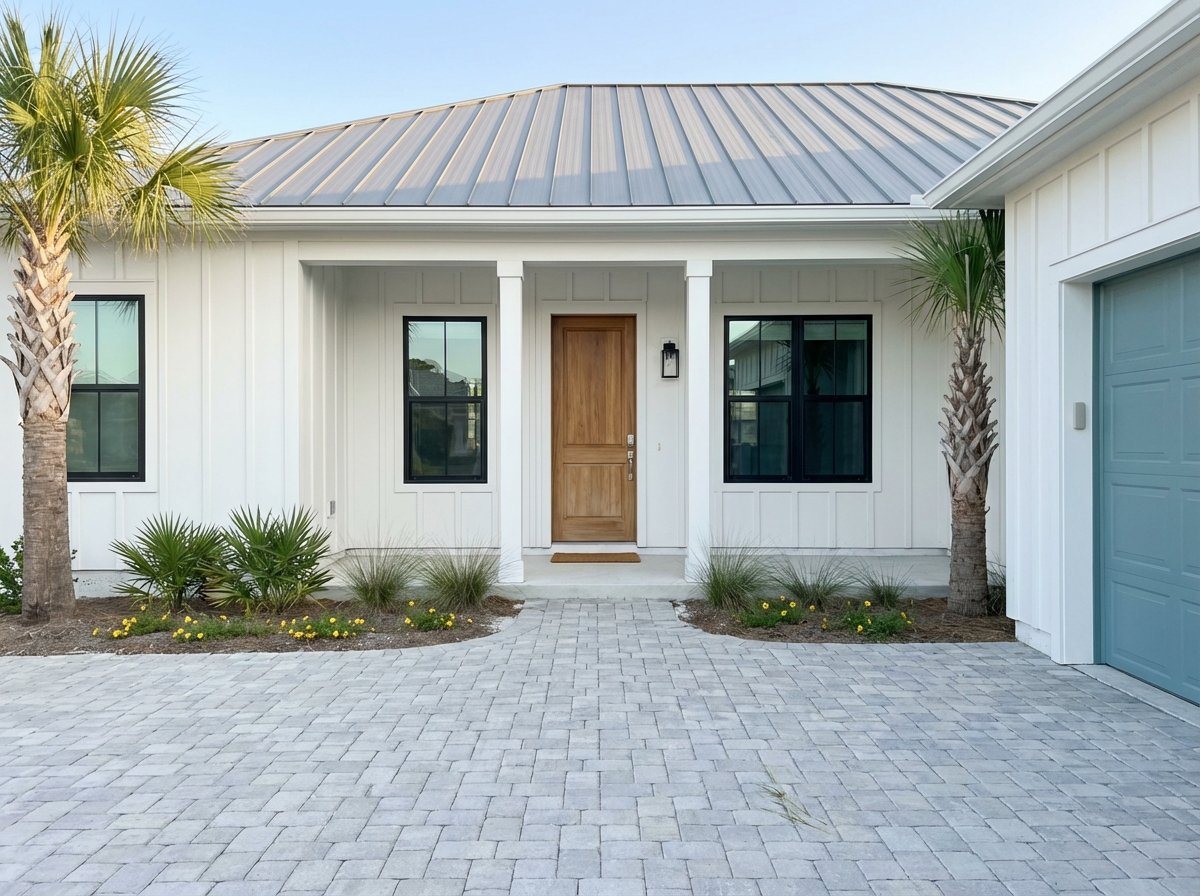
Dreaming of a beach escape you can call yours, with quick access to white sand, boating, and a relaxed coastal pace? If Gulf Breeze is on your shortlist, you’re in good company. Many buyers love its small‑city feel, easy reach to Pensacola, and year‑round outdoor life. In this guide, you’ll learn how second homes here are used, what the 2026 market looks like, the rules for short‑term rentals, the real costs to expect, and a practical checklist to buy with confidence. Let’s dive in.
Why Gulf Breeze works for second homes
Gulf Breeze sits on the Fairpoint Peninsula just south of Pensacola. It is an incorporated city in Santa Rosa County, not Escambia County, which matters for taxes and short‑term rental rules. You can verify city and service information on the City of Gulf Breeze website.
With roughly 7,000 residents and a median age around 49 to 50, Gulf Breeze reads as a small, relatively affluent coastal community that blends families, military‑adjacent households, and retirees. See a quick demographic snapshot from the U.S. Census Bureau.
Lifestyle is the draw. Beaches and nature are minutes away, including the Gulf Islands National Seashore and historic Fort Pickens, part of a nationally protected shoreline that anchors the area’s outdoor appeal. For context and park news, check the Gulf Islands National Seashore. Boaters enjoy multiple public ramps and soundside parks, and families appreciate local attractions like the Gulf Breeze Zoo along with the convenience of Pensacola’s dining, healthcare, and airport access.
Market snapshot for early 2026
You will see a range of price signals depending on data source and neighborhood. As of January 2026, Zillow’s typical home value in Gulf Breeze is about $457,000, while MLS‑based reporting from Redfin shows a median sale price near $530,000. Waterfront and beach‑adjacent pockets trend higher, and days on market vary by micro‑location and price band. Use these as directional markers and ask for current neighborhood comps before you write an offer.
How owners use second homes here
Common use patterns
Owners often split time between personal use and occasional rental. Weekend and holiday use is popular for in‑state and regional buyers. Winter and early spring bring seasonal residents who prefer milder months. Short‑term vacation rentals are common in areas with quick access to the sound or gulf beaches.
Seasonality to plan around
Visitor demand typically peaks from late spring through summer. The Atlantic hurricane season runs from June 1 through November 30, with activity often strongest from mid‑August to mid‑October. Build your schedule and coverage around those dates, and keep an eye on seasonal outlooks from the NOAA Climate Prediction Center.
Short‑term rental rules and local taxes
If you plan to host guests for six months or less, you will need to comply with city registration and county lodging taxes.
City registration requirements
Gulf Breeze adopted Ordinance 05‑2024 that requires short‑term vacation rentals to register with the City. Key points include obtaining a certificate, naming a 24/7 responsible contact, meeting occupancy limits tied to bedroom count, and following inspection and permit steps. Review the current checklist and forms on the City’s Short‑Term Vacation Rentals page.
Tourist Development Tax and state sales tax
Santa Rosa County levies a 5 percent Tourist Development Tax on transient rentals of six months or less. Hosts are responsible for registering and remitting monthly. Add Florida’s 6 percent state sales tax and any applicable local surtax when estimating guest taxes and net revenue. For procedures, visit the county’s Tourist Development Tax page.
HOA and condo considerations
Many associations have rental restrictions, minimum lease periods, or guest rules. Confirm any HOA or condo covenants early so you understand use limits before you buy.
Property taxes and homestead status
In Florida, the homestead exemption and the Save Our Homes assessment cap apply to a primary residence only. A second home is generally not eligible and is assessed at full value each year. You can review statewide guidance from the Florida Department of Revenue. To estimate ad valorem taxes for a target price, use millage rate information and tools from the Santa Rosa County Property Appraiser.
Insurance and risk in a coastal market
Coverage you will likely need
Most owners carry three pieces: a homeowners policy that includes wind or hurricane coverage, a separate flood policy, and liability coverage. Flood damage is usually excluded from standard homeowners insurance. Compare National Flood Insurance Program options against private flood quotes, and start early in underwriting. For flood coverage basics, visit FEMA’s flood insurance page.
Mitigation that can help your premiums
Insurers look closely at roof age and rating, roof‑to‑wall connections, impact‑rated windows or shutters, and elevation or placement of mechanicals. A wind‑mitigation inspection and documented upgrades can reduce risk and sometimes premiums. See consumer guidance from the Florida Office of Insurance Regulation.
Flood zones and evacuation planning
Check whether a property is in a Special Flood Hazard Area and identify its evacuation zone. Use FEMA flood maps and Santa Rosa County’s evacuation and flood‑risk tools when evaluating soundside and waterfront parcels. Your insurance agent and local contractor can help interpret Base Flood Elevation and related building details.
Maintenance and carrying costs to expect
Coastal homes work a bit harder. Salt air can speed corrosion on HVAC components and exterior hardware, paint and trim need more frequent attention, and roofs and screen enclosures require periodic care. Good drainage and moisture control reduce mold risks, especially in shoulder seasons when humidity spikes.
If you live out of area, consider a local caretaker or full‑service manager, a planned maintenance calendar, and smart‑home monitoring like water leak sensors and smart thermostats. Build a realistic annual budget that covers insurance, property taxes, utilities, HOA dues, routine maintenance, storm prep and post‑storm inspections, and any management costs.
If you plan to rent your second home
Management models and typical fees
You can self‑manage, hire a partial‑service partner that focuses on bookings and guest communications, or choose a full‑service manager that handles marketing, turns, and maintenance. Industry reporting shows partial‑service options often around 10 percent of rental revenue, while full‑service programs commonly range from about 18 to 35 percent, with 25 percent a frequent midpoint. Expect separate cleaning, linen, onboarding, and repair coordination charges in most contracts.
Income modeling basics
When modeling potential revenue, request local STR comps from a data provider or property manager, confirm in writing which taxes your manager will collect and remit, and review the fee and payout schedule line by line. Model high, base, and conservative scenarios to account for seasonality and weather‑related gaps.
Step‑by‑step buyer checklist
Use this list to move from idea to confident purchase:
- Confirm jurisdiction and rules. Gulf Breeze is in Santa Rosa County. Review city STVR registration, then check any HOA or condo covenants. Start at the City of Gulf Breeze site and the City’s STVR registration page.
- Verify parcel‑level risk. Check FEMA flood maps and the county evacuation zone for the exact address. Gather elevation and any existing wind‑mitigation reports.
- Price your insurance early. Ask multiple carriers for homeowners plus wind and flood quotes. Compare NFIP and private flood options. See FEMA’s flood insurance overview and Florida OIR mitigation resources.
- Estimate property taxes. Model ad valorem taxes without homestead protections using the SRCPA millage information and statewide rules via the Florida Department of Revenue.
- Build a full carrying‑cost budget. Include insurance, taxes, utilities, HOA dues, routine maintenance, storm prep, reserves, and if renting, management fees and turnover costs.
- Know the calendar. Peak rental demand skews late spring through summer. Hurricane season is June 1 to November 30, with activity often peaking mid‑August to mid‑October per NOAA’s outlooks.
- Request local comps. Use current neighborhood sales and, if applicable, STR performance comps before writing an offer.
What life looks like once you own
On an average weekend, you might launch a boat at a public ramp, walk a quiet soundside park at sunset, or head across the bridge to the national seashore. During busier months, you will schedule turns between personal stays and guest bookings, keep an eye on tropical weather, and lean on your local team for routine care. With a good plan, a Gulf Breeze second home can balance relaxation, responsible stewardship, and potential rental income.
Ready to explore the right neighborhood, run your numbers, and see homes that match how you want to live and use the property? Reach out to Megan Bithos to start a focused search and get local, hands‑on guidance from offer to closing.
FAQs
What county is Gulf Breeze in, and why does it matter?
- Gulf Breeze is in Santa Rosa County. County and city lines determine your property taxes, short‑term rental registration, and which offices handle permits and utilities.
Do I need a city permit to run a short‑term rental in Gulf Breeze?
- Yes. The City requires registration, a 24/7 responsible contact, occupancy limits tied to bedrooms, and inspections. Review steps on the City’s STVR page and confirm HOA rules.
How risky is hurricane season for a second home?
- The official season runs June 1 through November 30. Carry wind and flood coverage, invest in mitigation like shutters or impact windows, and have a storm plan and caretaker in place.
Can I get a homestead exemption on my Gulf Breeze vacation home?
- Generally no. Florida’s homestead benefits apply to your primary residence only, so most second homes are assessed at full value without the Save Our Homes cap.
What are typical short‑term rental management fees in this area?
- Partial‑service options often run near 10 percent of revenue, while full‑service programs commonly range from about 18 to 35 percent, plus separate cleaning and onboarding fees.
What ongoing maintenance should I expect near the coast?
- Plan for more frequent exterior paint and trim touch‑ups, HVAC and metal hardware corrosion checks, roof and screen‑enclosure care, and proactive moisture and drainage management.
