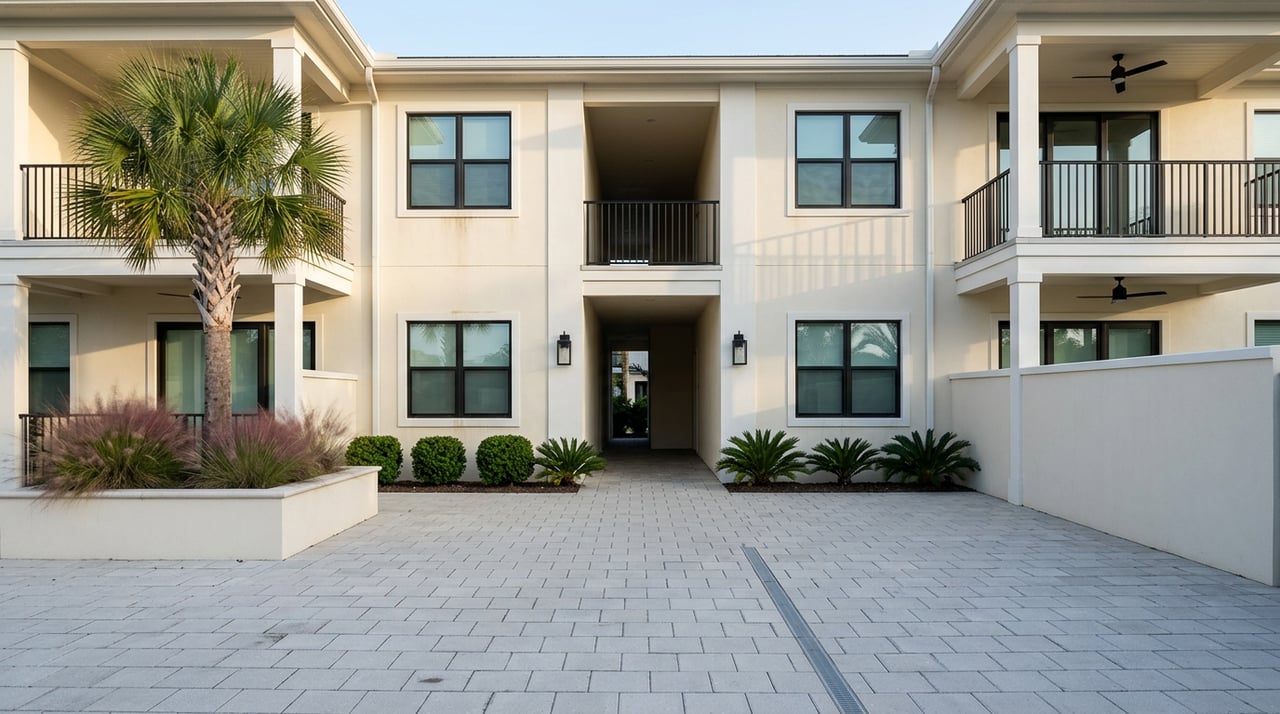
Trying to choose between a house or a condo in Gulf Breeze? You are not alone. Daily life feels different in each, from weekend maintenance to monthly costs and rules. In this guide, you will compare the real tradeoffs for Gulf Breeze living so you can move forward with clarity. Let’s dive in.
Gulf Breeze at a glance
Gulf Breeze sits on the Fairpoint Peninsula in Santa Rosa County, with most addresses using ZIP codes 32561 and 32563. Some nearby barrier-island properties use Pensacola Beach addresses, which fall in Escambia County. Always confirm the parcel’s county and taxing district when you compare costs.
Many buyers come for coastal access and practical convenience. You will find a mix of single-family neighborhoods with yards and garages, plus condo communities that offer low-maintenance living and amenities. Proximity to Gulf Breeze schools is a common priority for many buyers, and you will see this reflected in demand across neighborhoods.
Everyday living tradeoffs
Maintenance and time
- Houses: You control and pay for exterior and interior upkeep. In a coastal climate, salt, wind and humidity can increase wear on roofs, paint, metalwork and HVAC components. A common budgeting rule is to set aside around 1 percent of the home’s value per year for maintenance, often more near the coast. See a straightforward breakdown of the real cost of ownership in this practical piece on the true cost of homeownership.
- Condos: Associations maintain common areas and often building exteriors. Your day-to-day effort is lower, but recurring costs shift into monthly dues, and you carry shared risk for special assessments. Review what the master policy covers versus your HO-6 policy using this overview of what condo fees usually cover.
Space, storage and privacy
- Houses: More privacy and outdoor space. Garages, sheds and the ability to add or modify features give you flexibility over time.
- Condos: Streamlined living with shared walls and closer neighbors. Rules on pets, exterior changes and parking vary by community, so read them early.
Amenities and access
- Condos: Pools, gyms, elevators, docks or security are common. These perks add convenience and often justify higher dues in amenity-rich buildings.
- Houses: You get control and elbow room. Replicating condo-style amenities is possible, but usually at higher personal cost and effort.
Cost comparison: what to include
When you compare a Gulf Breeze house with a condo, line up total monthly and annual costs side by side.
- Mortgage principal and interest
- Property taxes based on Santa Rosa County millage rates. Use the county’s millage rate tables for parcel-specific context.
- Insurance: Homeowners or HO-6, plus flood if required. In condos, confirm whether the association carries a master flood policy under FEMA’s Residential Condominium Building Association Policy and what you must carry personally.
- HOA or condo dues, plus any special assessments
- Utilities and services
- Maintenance reserve. Coastal homes often need a larger reserve than inland properties. See the maintenance budgeting guidance above.
Tip: Ask for real insurance quotes and current HOA budgets before you compare. For waterfront houses, confirm shoreline structures and plan for coastal wear. Here is a helpful primer on roofing that handles coastal conditions.
Rules, inspections and HOA health
Florida condo and HOA rules
Florida’s Condominium Act sets owner rights and association obligations. During due diligence, review declarations, bylaws, rules, budgets and minutes. You can read the Florida Condominium Act (Chapter 718) for definitions and records access.
Building safety and reserves
After 2021, Florida added milestone inspections and structural integrity reserve studies for qualifying buildings. If a condo is 3 stories or more, a milestone inspection is required at 30 years, or 25 years if the building is within 3 miles of the coast, then every 10 years. Ask for the building’s inspection history and current reserve study. See the statute for milestone inspection requirements.
Estoppels and disclosures
Before closing, you should receive an estoppel or resale certificate showing what is owed, any upcoming assessments and key restrictions. Florida sets timelines for delivery. Review the state’s guidance on estoppel certificate timelines so you plan your contract dates.
Financing and project eligibility
Lenders may restrict financing for condos with issues like low reserves, high delinquency or certain litigation. If you plan to use FHA, VA or conventional financing, confirm early whether the project is eligible under Fannie Mae’s project standards.
Where you will find each
- Waterfront and tower condos: Typically closer to the Sound and near Pensacola Beach, with amenities and higher dues. Multi-story buildings usually fall under the milestone inspection and reserve study rules.
- Garden-style condos and townhomes: Often inland clusters around 32563 with fewer high-rise concerns and generally lower dues, depending on the community.
- Single-family neighborhoods: Areas like Tiger Point, Midway and other inland sections offer yards, garages and more room to grow. These locations are popular with buyers who want space and easy everyday routines.
Due diligence checklist for any listing
Use this quick list to focus your questions and document requests before you write an offer.
- Association documents: Declaration, bylaws, rules, recent meeting minutes. Florida law gives you records access under the Condominium Act.
- Financials and reserves: Operating budget, financial statements and the reserve study. For 3-plus-story condos, ask for the structural integrity reserve study and any related engineering reports under milestone inspection rules.
- Estoppel or resale certificate: Amounts owed, pending assessments and transfer or lease restrictions. See the state’s estoppel timing guidance.
- Insurance overview: Master property and flood policies, including master deductibles and coverage limits. If in a flood zone, confirm whether there is an RCBAP master policy and what your HO-6 must cover using this RCBAP overview.
- Flood zone and elevation: Pull the city’s FEMA flood zone map and request recent flood premiums for the specific address.
- Litigation and delinquencies: Ask for disclosures on any active or recent cases, and owner delinquency rates. Project-level issues can limit financing.
- Lender checks: If you will use FHA, VA or conventional financing, confirm early whether the condo project meets Fannie Mae’s project eligibility.
- Single-family systems: For houses, get inspections for roof, HVAC, plumbing and any shoreline structures. This guide to coastal roofing considerations highlights why materials matter here.
- Taxes: Confirm taxing district and estimate carrying costs using Santa Rosa County’s millage rate tables.
- All-in cost comparison: Line up mortgage, taxes, insurance, HOA or condo dues and a maintenance reserve. The rule-of-thumb budgeting in this total cost of ownership guide can help you build a realistic number.
Which fits your lifestyle
You might lean condo if you want low-effort living, value bundled amenities like a pool or gym, travel often, or prefer predictable maintenance handled by an association.
You might lean house if you want a yard and private outdoor space, extra storage or a garage, renovation flexibility and full control over your property.
There is no one right choice. The best fit lines up with how you actually live, what you want to maintain and your true monthly budget.
Get local guidance
If you are debating between a Gulf Breeze house and a condo, let’s talk through your daily routine, budget and risk comfort. I will help you compare real properties side by side, review HOA documents and line up quotes so you can decide with confidence. Start your search with Megan Bithos.
FAQs
What are typical condo fees in Gulf Breeze condos?
- Fees vary by building and amenities. High-amenity or waterfront towers often have higher dues than inland communities. Always review the current budget and what the master policy covers.
Do I need flood insurance for a Gulf Breeze condo or house?
- If the property is in a Special Flood Hazard Area, lenders will require flood insurance. For condos, confirm whether the association carries an RCBAP master policy and what you must insure under your HO-6.
How do Florida’s milestone inspections affect condo buyers?
- For buildings 3 stories or more, milestone inspections are required at set ages, with ongoing updates. Ask for the latest inspection reports and the structural integrity reserve study during due diligence.
What is an estoppel certificate and why does it matter?
- It is a document from the association that shows amounts owed, pending assessments and key restrictions. It helps you avoid surprises before closing and is required within state timelines.
Can I use FHA or VA financing to buy a Gulf Breeze condo?
- Possibly. Project eligibility depends on the association’s financial health, reserves, litigation and other factors. Confirm project approval status early with your lender.
