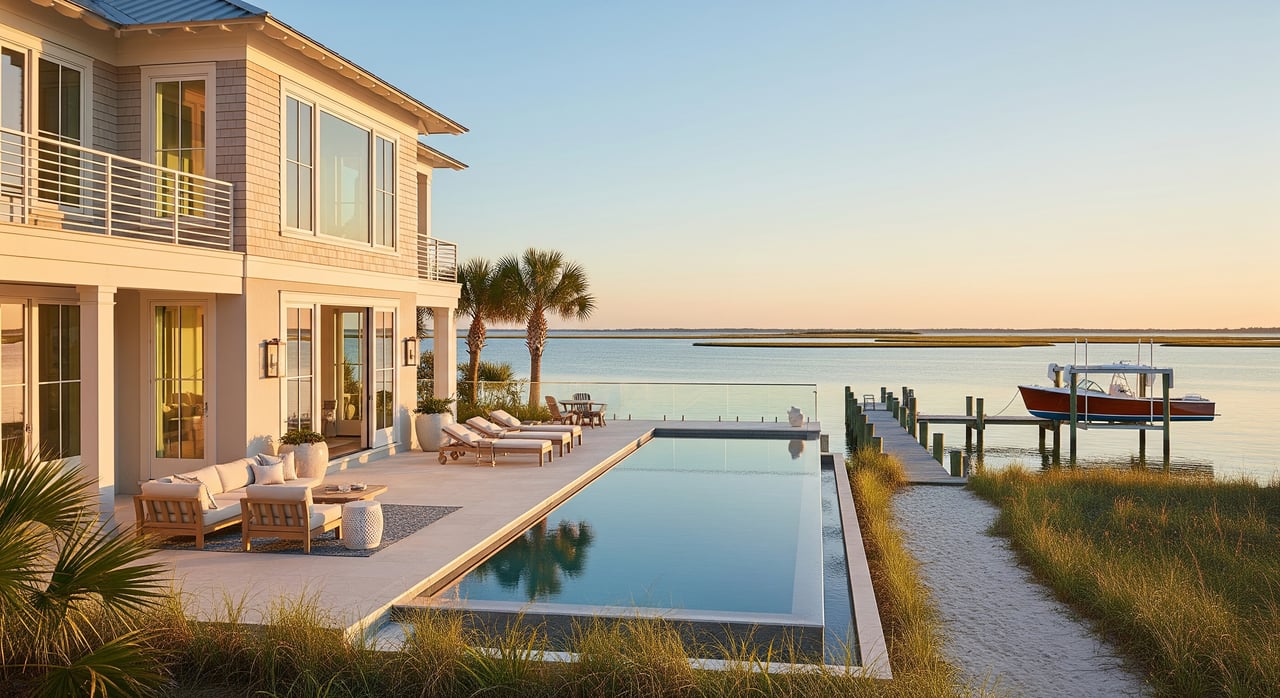
You can smell the salt in the air before the sun lifts over the bay. Pelicans skim the water, neighbors wave from golf carts and bikes, and the shoreline pulls you outside for a quick walk before work. If you’re picturing a calmer pace with easy water access and city perks just across the bridge, Gulf Breeze fits that daydream. In this guide, you’ll get a grounded look at daily life: beaches and parks, boating culture, commute patterns, home types and costs to plan for, and how to sample the lifestyle before you move. Let’s dive in.
Everyday life, up close
Morning routines by the water
Mornings often start outside. You might grab coffee and stroll a neighborhood sidewalk or greenway while the bay glows pink. Runners, dog walkers, and early anglers share the same rhythm. On quiet streets, you’ll hear gulls and the wind through palmettos more than traffic.
Errands, work, and daily convenience
For day-to-day errands, you’ll find local shops and groceries in town, then a broader mix of big-box stores a short drive away. Many residents commute into Pensacola or work remotely from home offices. Internet and cell coverage support video calls, and if you need a change of scenery, co-working options are available in nearby Pensacola.
Afternoons and easy evenings
Late afternoons often drift toward the water. Kayaks and paddleboards slide off neighborhood docks, and small skiffs head for a quick cast before dinner. Casual seafood and waterfront dining are staples. For bigger nights out, concerts, or arts events, most people pop over to Pensacola and head back before the bridge gets busy.
Weekends built around the coast
Weekends revolve around beaches and parks. Families pack coolers and head for barrier-island sand, explore coastal trails, or set up a picnic by the marsh. Local calendars feature small festivals, markets, and community gatherings throughout the year, with peak outdoor season from late spring through early fall.
Parks, beaches, and open space
Gulf Breeze sits near a network of protected shorelines, which keeps the area scenic and accessible.
- Gulf Islands National Seashore: White-sand beaches and historic sites like Fort Pickens are a quick trip away. Check current conditions, closures, or seasonal notes on the Gulf Islands National Seashore page.
- Big Lagoon State Park: Explore salt marsh views, paddling routes, trails, and picnic spots. Verify hours, amenities, and any fees on the Big Lagoon State Park site.
Typical activities include boating, fishing, birding, and easy walking or biking on neighborhood paths and park trails. Weather and seasonal factors can affect access. If you’re planning a beach day, check park advisories and the Florida Fish and Wildlife red tide status before you go.
Boating and waterfront living
Life on a peninsula means water is part of your weekly routine. Many residents keep kayaks or paddleboards at the ready, and some own skiffs or bay boats.
- Access and storage: Public ramps and marinas serve the area, and options for slips or dry storage vary. Availability can change quickly, so call ahead when planning a move or a boat purchase.
- Getting to the Gulf: Canal and bay-front homes make it easy to reach open water through marked channels. Bridge clearances and speed zones apply, so always plan your route.
- Safety first: Review gear requirements and local rules, especially during peak season and storms. For a quick refresher, see U.S. Coast Guard boating safety resources.
Waterfront properties can come with higher ownership costs. Flood and windstorm insurance, routine maintenance for salt exposure, and HOA considerations are common for coastal neighborhoods. It pays to understand these line items early.
Getting around and commuting
Your main connection into Pensacola is U.S. 98 across the Pensacola Bay Bridge. Traffic patterns ebb and flow with rush hour, beach season, and major events. Plan extra time during peak summer weekends or when there are local festivals and games.
- Typical patterns: Morning and evening rush hours see heavier traffic near bridge approaches. Many locals adjust start times, carpool, or work hybrid schedules.
- Transit: Escambia County Area Transit operates regional bus service on select routes. Check ECAT’s route maps and schedules to see current options.
- Air travel: Pensacola International Airport (PNS) is the nearest major airport, with flight options that suit business travelers and second-home owners.
Homes, neighborhoods, and costs to plan for
You’ll find single-family homes on inland lots, bay and canal-front properties oriented toward views and boat access, plus townhomes and a smaller selection of condos. Waterfront and canal-front homes usually carry price premiums along with higher insurance and maintenance.
Key ownership costs to consider:
- Insurance: Lenders often require flood coverage in certain FEMA zones, and windstorm policies are common on the coast. Use the FEMA Flood Map Service Center to understand flood risk for any address you’re considering.
- Maintenance: Salt air increases wear on roofs, windows, HVAC units, and exterior finishes. Budget for routine upkeep.
- HOA or community fees: Some neighborhoods include shared amenities or waterfront access. Review rules, fees, rental policies, and boat restrictions before you buy.
Inventory and pricing shift with season and demand. If you want a specific setup, like deep-water canal access or a larger lot, start scouting early and be ready to move when the right home hits the market.
Schools, healthcare, and public safety
Public schools are assigned by the local county district. Boundaries and performance can change each year, so confirm the most recent details and report cards with the district and the Florida Department of Education. Private and parochial options are available across the wider Pensacola area.
Primary-care clinics and urgent care are nearby, while major hospitals and specialty providers are in Pensacola. For public safety, review crime statistics from official law enforcement sources and the Florida Department of Law Enforcement before choosing a neighborhood.
Climate and hurricane readiness
The region has a humid subtropical climate with hot, humid summers and mild winters. Most outdoor activities are possible year-round, with prime beach weather from late spring into fall. Hurricane season runs from June 1 through November 30. Planning and preparation make a difference.
Quick hurricane-readiness checklist:
- Review evacuation routes and local alerts. The NOAA National Hurricane Center posts forecasts and advisories.
- Confirm your home’s flood zone and elevation. Check the FEMA Flood Map Service Center for property-specific risk.
- Plan window protection, generator use, and post-storm cleanup. Store important documents and keep a basic emergency kit on hand.
- Understand insurance deductibles and coverage for wind, flood, and personal property.
Community life and local events
Gulf Breeze’s community feel shows up in small gatherings, parks programming, and seasonal markets. Larger cultural offerings, from museums to symphony performances and university events, are just across the bridge in Pensacola. For local happenings, check the City of Gulf Breeze’s calendar and updates, and browse the area chamber, civic groups, and volunteer opportunities to plug in quickly once you arrive.
Try it before you move: a simple day
- Morning: Grab coffee and walk a bayfront path. Watch shorebirds and boats head out.
- Late morning: Explore a nature trail or paddle a calm lagoon. If you plan to visit parks, confirm hours and any seasonal closures online.
- Afternoon: Picnic or beach time at a protected shoreline, then rinse off and relax.
- Evening: Early seafood dinner and sunset views. Wrap up with a quiet neighborhood bike ride.
This sample day gives you the true rhythm: outdoor-first living with easy access to everything you need.
Ready to explore homes?
If you’re picturing your own morning by the water, let a local expert guide your search. From virtual tours to on-the-ground showings and coastal know-how, Megan Bithos helps you navigate Gulf Coast neighborhoods, compare waterfront options, and plan for insurance, maintenance, and lifestyle fit. Start your move with confidence.
FAQs
Is Gulf Breeze more residential or touristy?
- Daily life feels mostly residential and quiet compared with nearby beach hotspots, with visitors drawn mainly to outdoor recreation rather than nightlife.
How long is the commute to downtown Pensacola from Gulf Breeze?
- It varies by your exact start and end points, time of day, and season; allow extra time during rush hour and peak beach season and check live traffic before you go.
Can I boat from a canal or bayfront home to the open Gulf?
- Yes, many residents transit through marked channels to reach open water, but always confirm bridge clearances, speed zones, and route conditions for your specific vessel.
What extra costs should I expect for coastal homeownership?
- Plan for flood and windstorm insurance, higher exterior maintenance due to salt exposure, and possible HOA fees or boat-related costs for waterfront communities.
Which beaches and parks are closest and what should I know before visiting?
- Barrier-island beaches in the national seashore and Big Lagoon State Park are nearby; check park sites for hours, closures, and red tide or weather advisories before heading out.
What are winters like on the Florida Gulf Coast?
- Winters are generally mild with occasional cool fronts, so outdoor activities are common year-round, especially hiking, biking, and beach walks on calm days.
