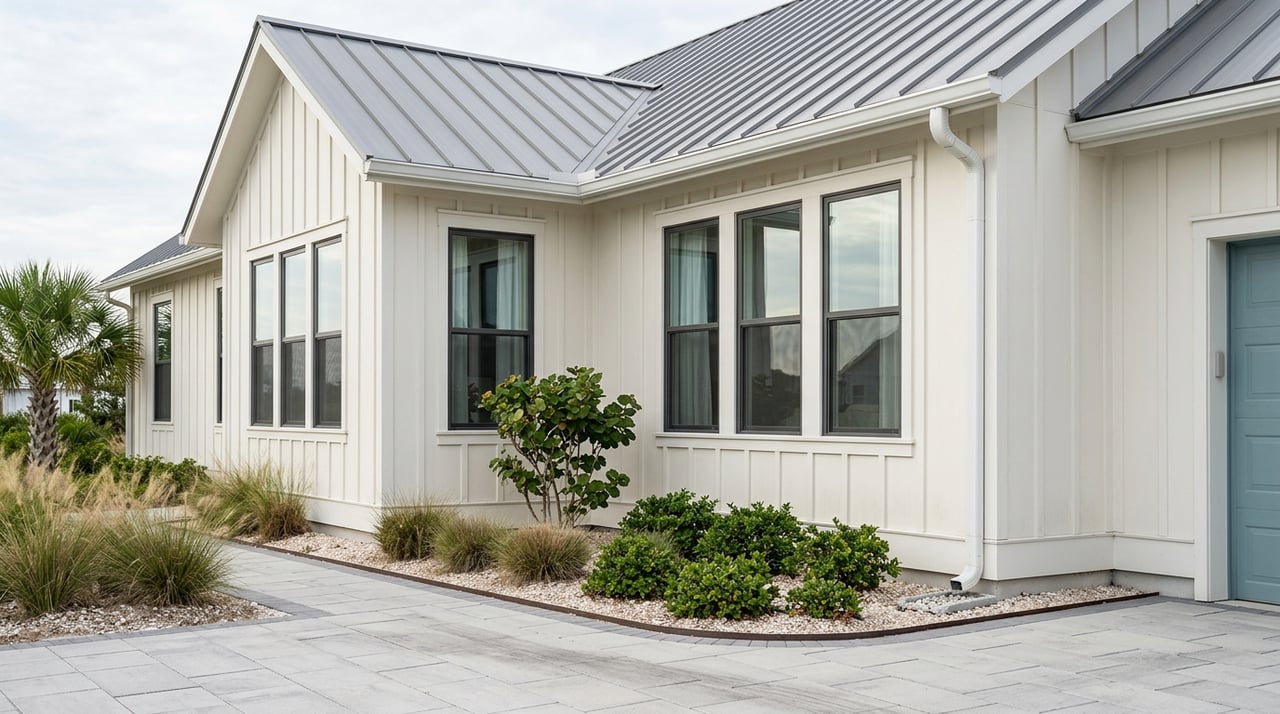
Thinking about buying a home in Gulf Breeze to use as a long-term rental? It can be an appealing idea, especially in a coastal city with strong residential appeal and a stable feel. But Gulf Breeze is also a market where you need to look beyond the listing price and rent estimate if you want to make a smart hold. In this guide, you’ll learn what to pay attention to before you buy, from market realities to flood exposure, sewer status, and long-term upkeep. Let’s dive in.
Why Gulf Breeze Draws Rental Buyers
Gulf Breeze sits on the west end of the Fairpoint peninsula in Santa Rosa County, with bridges connecting it to Pensacola and Pensacola Beach. The city describes itself as the only coastal city in Santa Rosa County, with 18 miles of waterfront and three protected bayous. That setting gives the area lasting appeal for people who want to live near the water while staying rooted in a year-round residential community.
For a long-term rental buyer, that matters. You are not just buying into a vacation-driven coastal story. You are buying into a small residential market where location, durability, and day-to-day livability can shape demand over time.
What the Numbers Suggest
Census QuickFacts estimates Gulf Breeze’s 2025 population at 7,067, which is up 12.2% from 2020. The same source shows a 78.2% owner-occupied housing rate and a same-house-one-year-ago rate of 92.7%. Together, those numbers point to a market that is relatively small, established, and mostly owner-occupied.
The pricing side deserves a careful look. Census data shows a median owner-occupied home value of $505,600, a median gross rent of $1,536, and median monthly owner costs with a mortgage of $2,949. That does not mean every rental deal will underperform, but it does mean you should underwrite conservatively and avoid assuming easy monthly cash flow.
Buy for Durability, Not Just Rent
In Gulf Breeze, the best long-term rental is not always the one with the highest projected rent. In a coastal setting, insurance, exterior wear, moisture control, and maintenance demands can change the math quickly. A home that is easier to maintain may be a stronger long-term hold than one that looks better on paper at first glance.
That is why smart buyers compare more than purchase price. You want to understand how the home will perform over several years, not just whether it can attract a tenant in the first month.
Compare Property Types Carefully
Detached homes
Detached homes are often the first option buyers consider in a mostly owner-occupied market like Gulf Breeze. They can offer more control over the property and fewer shared-wall issues, but they may also come with more direct responsibility for roofing, exterior upkeep, yard care, and storm-related repairs.
If you are looking at a detached home, pay close attention to age, exterior materials, roof condition, and how the property handles moisture. In this market, those details can have a real impact on operating costs.
Condos and townhomes
Condos or townhomes may appeal to buyers who want some exterior maintenance handled by an association. That can reduce some day-to-day ownership friction, but you still need to review association costs, rental rules, approval steps, and maintenance responsibilities.
A lower-maintenance setup can be valuable in a coastal market. Still, you want to make sure the monthly costs and rules do not weaken the long-term economics of the property.
Keep Your Plan in the Long-Term Category
If your goal is a long-term rental, keep that use clearly defined from the start. Gulf Breeze adopted Ordinance 05-2024 on November 18, 2024, creating a registration process for short-term rental owners. That is a useful reminder that short-term and long-term use are not the same thing locally.
Before you buy, make sure your intended use fits your plan for the property. If you ever think you may change the use later, verify what local process or registration may apply before you count on that option.
Flood Insurance Is a Core Cost
Standard policies are not enough
The City of Gulf Breeze states that standard homeowners and commercial property policies do not cover flood losses. The city also notes that Gulf Breeze and Santa Rosa County participate in the National Flood Insurance Program through the Community Rating System, and the city can help determine whether a property is in the floodplain or a Special Flood Hazard Area.
For a rental buyer, flood insurance should be part of your core underwriting from day one. It is not something to leave for later, especially in a peninsula setting with strong waterfront orientation.
Ask flood questions early
When you are narrowing down properties, ask whether the home is in a floodplain or Special Flood Hazard Area and price insurance accordingly. This helps you avoid surprises after you are already emotionally committed to the purchase.
If you are buying from out of town, this step becomes even more important. Early clarity on flood exposure can save time, money, and stress.
Wind and Storm Prep Matter
Florida’s My Safe Florida Home program offers free wind mitigation inspections and grant assistance for approved upgrades. That makes it worth asking whether a property already has a wind mitigation report, impact-resistant features, or other documentation that may help with insurance pricing.
Storm readiness also matters beyond the insurance quote. In a long-term rental, you want a home that is easier to protect before a storm and easier to inspect after one. That can reduce downtime, protect your asset, and make ownership more predictable.
Sewer vs. Septic Can Affect Your Hold
One of the most important Gulf Breeze due diligence items is whether a property is on sewer or septic. The City of Gulf Breeze says it is running an eight-year, grant-funded septic-to-sewer program to eliminate septic systems citywide. The city says the study identified about 1,023 properties still using septic tanks and lists activated areas including Highpoint, Florida & Montrose, Fairpoint, and BayCliffs, with additional areas scheduled later.
The city also notes that the Florida Department of Environmental Protection assumed direct permitting authority in Santa Rosa County as of January 2025 and does not allow septic replacements or improvements once central sewer is available. For a buy-and-hold investor, that makes utility status more than a minor detail.
What to verify
Before you buy, confirm:
- Whether the property is already connected to sewer
- Whether it is still on septic
- Whether it is located in an activated or upcoming septic-to-sewer area
- Whether an inspector or property manager can verify current system condition and likely next steps
If you skip this step, you may miss a cost or timeline issue that affects your long-term plan.
Moisture Control Protects Your Investment
UF/IFAS notes that coastal sites need extra planning because of wind, salt, and sandy high-pH soils. It also says Florida homes can develop mildew, storm damage, pests, rust, and corrosion when moisture is not controlled and the home is not well sealed.
That guidance matters for rentals because small problems can grow during vacancy or between tenants. A home that stays cool, dry, and properly sealed is often easier to maintain and less likely to surprise you with larger repair bills.
UF/IFAS also recommends weather-sealing windows and doors and keeping Florida homes cool and dry enough to control humidity. If you are evaluating a property, pay attention to signs of past moisture issues, HVAC performance, and the condition of windows and doors.
Landscaping Should Fit the Coast
Landscaping may not seem like a major investment factor at first, but it can affect maintenance time and curb appeal. UF/IFAS recommends salt-tolerant plants for coastal landscapes because of wind, salt exposure, and local soil conditions.
If a property relies on landscaping that struggles in coastal conditions, upkeep may be more expensive and less predictable. A simpler, site-appropriate yard can be easier to manage over a multi-year hold.
Plan Around Florida Rental Rules
Long-term residential rentals in Florida fall under the Florida Residential Landlord and Tenant Act. The statute says landlords must comply with applicable building, housing, and health codes.
That means your rental plan should be built around responsible property operation, not just income projections. A well-maintained home, clear systems, and consistent documentation can help you run the property more smoothly over time.
Fair Housing Compliance Is Essential
HUD states that the Fair Housing Act prohibits discrimination in housing because of race, color, national origin, religion, sex, familial status, and disability. If you plan to rent out a Gulf Breeze home, your advertising, screening, and tenant communication should align with fair housing requirements.
This is one more reason to use clear, consistent processes. It helps protect you, supports professional operations, and creates a better rental experience for everyone involved.
Questions to Ask Before You Buy
A strong rental purchase starts with good questions. In Gulf Breeze, these are some of the most useful ones to ask during due diligence.
Questions for a property manager
- How do you screen applicants and document decisions in a way that aligns with fair housing rules?
- What is your hurricane prep checklist before a named storm?
- What is your post-storm inspection process?
- Which local vendors handle roof, HVAC, plumbing, moisture, and mold issues?
- Do you know whether the property is in a floodplain or Special Flood Hazard Area?
- Is there a wind mitigation report or recent inspection file available?
- Is the home on sewer or septic, and is it in a septic-to-sewer program area?
- Are there HOA or condo rental rules that could affect leasing or costs?
Questions for your lender or financial professionals
- What assumptions are you using for vacancy, repairs, insurance, and reserves?
- How much should I budget for wind, flood, and general coastal wear over a multi-year hold?
- Would a different loan structure, down payment, or property type make this deal more resilient?
- How should I model rent growth if I plan to keep the home as a true long-term rental?
What a Strong Gulf Breeze Rental Looks Like
A solid long-term rental in Gulf Breeze usually checks a few important boxes. It fits your numbers with conservative assumptions, has manageable insurance and maintenance risk, and does not carry hidden utility or association surprises.
Just as important, it should be a property you can realistically operate over time. In this market, flood exposure, wind readiness, moisture control, and sewer or septic status are not side notes. They are part of the core decision.
If you are exploring Gulf Breeze as a long-term rental market, the right local guidance can help you sort through these details before you commit. When you want neighborhood-level insight, responsive support, and a practical view of what makes a property work over time, connect with Megan Bithos.
FAQs
What should you check before buying a long-term rental in Gulf Breeze?
- Focus on flood exposure, insurance costs, wind mitigation, moisture risks, sewer or septic status, and any HOA or condo rental rules.
Is Gulf Breeze in Escambia County?
- No. Gulf Breeze is in Santa Rosa County on the Fairpoint peninsula, with bridge access to Pensacola and Pensacola Beach.
Does a standard homeowners policy cover flood damage in Gulf Breeze?
- No. The City of Gulf Breeze states that standard homeowners and commercial property policies do not cover flood losses.
Why is sewer or septic status important for a Gulf Breeze rental home?
- The city is running a long-term septic-to-sewer program, and that can affect costs, timing, and future property planning.
Are short-term rentals and long-term rentals treated the same in Gulf Breeze?
- No. Gulf Breeze created a registration process for short-term rental owners, so you should keep your intended use clear and verify any future change in use before relying on it.
What do Gulf Breeze market numbers suggest for rental buyers?
- Census data suggests a small, mostly owner-occupied market with high home values and rents that should be underwritten conservatively for long-term holds.
